In a world where staying charged is as vital as caffeine for productivity, notebook battery options can feel like a maze. With choices ranging from lithium-ion to the latest in solid-state technology, it’s easy to get lost in the sea of specs and jargon. But fear not! Finding the right battery isn’t just about keeping your laptop alive; it’s about unlocking the full potential of your on-the-go lifestyle.
Overview of Notebook Battery Options
Various notebook battery options exist to meet different power needs. Lithium-ion batteries represent the most common choice. They offer a balance between performance and weight, providing significant energy density. These batteries typically last between 2 to 5 years, depending on usage patterns.
Solid-state batteries are an emerging alternative. They use a solid electrolyte instead of a liquid, enhancing safety and stability. Increased energy density and faster charging times often appeal to users. Although still developing, solid-state options promise longer life spans and improved efficiency.
Nickel-metal hydride (NiMH) batteries serve as another option, primarily in older devices. While they exhibit a lower energy density than lithium-ion counterparts, they offer a better environmental profile. However, their relatively short lifespan limits their current relevance.
For users seeking extended usage, high-capacity batteries deserve attention. These batteries provide larger energy storage, enabling longer operational times. While heavier, this additional capacity suits users who prioritize battery life over portability.
Finally, external battery packs deliver versatility when specific power needs arise. Portable and easy to use, they cater to devices that require charging on the go. These solutions support mobile lifestyles without compromising overall usability.
Selecting the right battery type depends on individual requirements and usage scenarios. Understanding the nuances of each option helps users make informed choices, ensuring optimal performance tailored to their specific needs.
Types of Notebook Batteries
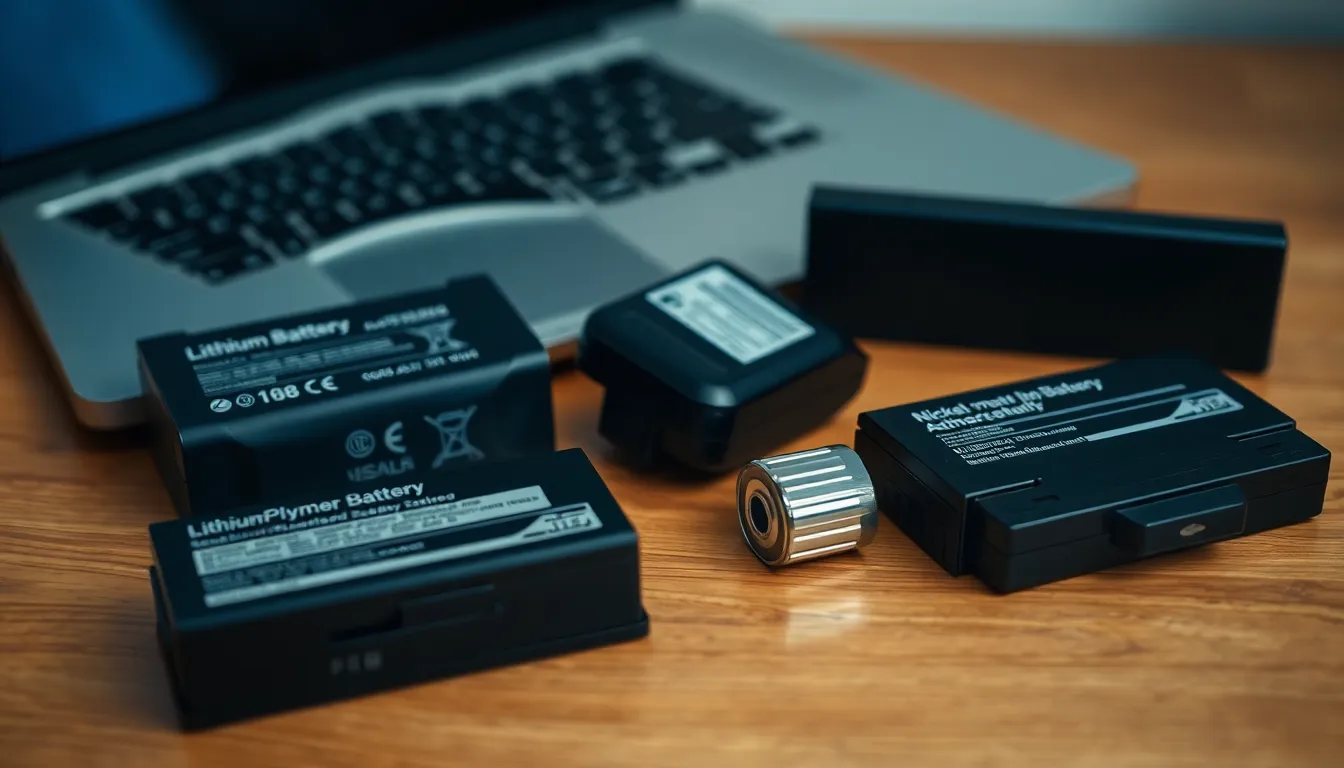
Choosing the right type of notebook battery ensures optimal performance and enhances user convenience. Several battery options exist, each with distinct characteristics.
Lithium-Ion Batteries
Lithium-ion batteries dominate the market for notebook power solutions. This battery type provides a solid balance between weight, lifespan, and performance. Users enjoy a lifespan ranging from 2 to 5 years, making it a reliable choice for day-to-day operations. Charging times are relatively quick, allowing for efficient use during busy schedules. The compact design also contributes to lightweight notebooks, supporting portability.
Lithium Polymer Batteries
Lithium polymer batteries present another popular alternative for notebook users. They offer a higher energy density compared to lithium-ion batteries, which means they can store more energy in the same space. This feature permits thin and flexible designs, enhancing notebook aesthetics without sacrificing performance. Users benefit from improved safety due to a reduced risk of leakage and swelling. Charging times are typically faster, making them attractive for frequent travelers.
Nickel-Metal Hydride Batteries
Nickel-metal hydride batteries are less common but still important to consider. These batteries appear mainly in older devices, offering a better environmental profile due to less toxic materials. Energy density is lower than lithium counterparts, which affects overall efficiency. Lifespan limitations, generally shorter than 2 years, reduce their appeal in modern notebooks. Users seeking eco-friendly options may still find utility in specific applications.
Factors to Consider When Choosing a Battery
When selecting a notebook battery, several key factors significantly affect performance and usability. Users should evaluate their specific needs regarding battery life, charging time, and physical dimensions.
Battery Life Expectations
Battery life varies widely across different types, so understanding personal usage patterns is essential. Lithium-ion batteries typically last between 2 to 5 years under regular use. Users needing extended performance might consider high-capacity options, which offer longer operational times without frequent recharging. A typical lithium polymer battery also provides solid longevity, suitable for moderate usage scenarios. Knowing the average requirements helps users select batteries that seamlessly fit their daily tasks.
Charging Time
Charging time influences how often users can effectively utilize their notebooks. On average, lithium-ion batteries can recharge in around 1.5 to 3 hours, depending on the specific device. Fast-charging technologies available in some newer batteries can significantly reduce this duration. Users requiring quick turnaround may want to investigate models that excel in rapid charging. This factor enhances productivity, especially for individuals frequently on the move.
Weight and Size
Weight and size are crucial considerations, particularly for portable devices. Generally, lithium-polymer batteries provide a slim profile, allowing for sleeker notebook designs. Standard lithium-ion batteries typically balance performance and weight, making them a common choice. Users with specific space constraints should evaluate battery dimensions to ensure compatibility with their devices. A lighter battery often provides better mobility without sacrificing essential performance attributes.
Comparing Different Brands
When exploring notebook battery options, understanding the leading brands can help users make informed decisions.
Brand A Overview
Brand A specializes in lithium-ion technology, known for excellent performance and reliability. Their batteries deliver impressive charging speeds, usually needing 1.5 to 3 hours for a full recharge. A typical lifespan of 3 to 5 years ensures prolonged usability for laptops. Users appreciate Brand A for integrating advanced safety technologies, which minimize risks associated with overheating and short-circuiting. Many users report satisfaction with product durability, contributing to Brand A’s strong reputation in the notebook battery market. Their broad compatibility across various laptop models enhances accessibility for consumers.
Brand B Overview
Brand B focuses on lithium polymer batteries, which emphasize a slim design and lightweight construction. These batteries excel in energy density, providing longer usage times in thinner notebooks. A charging time of around 2 to 4 hours complements their efficiency. Users often prefer Brand B for enhanced safety features, including built-in thermal regulation. The lifespan typically ranges from 2 to 4 years, catering to users with moderate power needs. Brand B’s commitment to eco-friendly practices resonates with environmentally conscious consumers, enhancing their market appeal.
Choosing the right notebook battery is essential for maximizing productivity and ensuring a seamless user experience. With various options available from lithium-ion to solid-state technologies users can find a battery that meets their specific needs.
Understanding the differences in performance lifespan and charging capabilities empowers users to make informed decisions. Whether seeking extended usage with high-capacity batteries or prioritizing lightweight designs with lithium polymer options there’s a suitable choice for everyone.
By considering personal usage patterns and brand reliability individuals can enhance their notebook’s performance while aligning with their lifestyle. Making the right battery choice ultimately leads to a more efficient and enjoyable computing experience.